
The Ultimate Hard Wax Brand Comparison Hub (2026 Edition)

Related Posts
-
Hard Wax Consistency & Temperature Guide
TL;DR: The Consistency Cheat Sheet The "Thick Honey" Standard: The perfect hard wax consistency looks like thick...
-
The Waxing Client Consultation Guide: Safety, Contraindications & Consent
Hello, WaxFam Pro — The Consultation Is Your Most Important Service Let's be honest: the consultation is the most ski...
-
Waxing Client Consultation: Key Questions, Contraindications & Setting Expectations
Why the Waxing Consultation Is the Most Important Part of Your Appointment Hello, WaxFam Pro! Let's talk about the f...
-
Bumps, Ingrowns & Redness After Underarm Waxing: The Troubleshooting Guide
Hello, Wax Fam! You waxed your underarms. You expected porcelain-smooth skin. Instead, you're looking at something th...
-
The Complete Post-Wax Care Guide: Everything You Need to Know in the First 48 Hours
Why the 48-Hour Window Changes Everything Hello, WaxFam! You braved the pull, you're beautifully smooth—and now the ...
-
Manzilian Wax: The Complete Guide to Male Brazilian Waxing for Professionals
The Manzilian Is Your Highest-Value Service Hello, Wax Fam Pro! Male intimate waxing is the fastest-growing niche in ...
-
Long-Term Skin Maintenance After Waxing: Your Between-Appointment Routine
The Truth About Waxing Long-Term Results Hello, WaxFam! Let's talk about the part of waxing no one puts on their mark...
-
How to Start a Waxing Business in 2026: The Complete WaxFam Pro Guide
Introduction: Why the Waxing Industry Rewards Those Who Plan Hello, WaxFam Pro. The waxing industry doesn't reward ...
-

Hard Wax Innovations & Sustainability: The 2026 Industry Trends Report for Estheticians
Hello, WaxFam Pro! The waxing industry in 2026 is not the same industry it was five years ago. The era of "heat wax, ...
-

Hard Wax Cost, Profitability & Client Retention: The Ultimate Master Guide for Waxing Salons
Hello, WaxFam Pro! Let's have the conversation that most waxing educators skip: the one about money. Specifically, ab...
-

Hard Wax Cost & Profitability Analysis: The Number Every Esthetician Needs to Know
Introduction: Your Wax Is Your Cost of Goods — Treat It That Way Hello, WaxFam Pro. Every product-based business kno...
-

Hard Wax Application Fundamentals: The Definitive Pro Guide to the Perfect Pull
Hey WaxFam Pro — Let's Talk About the Physics of the Perfect Pull There's a reason a seasoned esthetician can make a ...
-

Brazilian & Bikini Wax: The Complete Hard Wax Technique Guide
Hello, WaxFam Pro — The Brazilian Is the Ultimate Test of Your Craft Of all the waxing services you'll offer, the Bra...
-

Waxing Salon Marketing Strategy: How to Attract, Convert & Retain Clients in 2026
Rewritten from: _blogs_waxing_101_top_10_faq_on_waxing_franchise_o.md (DIFFERENTIATE → Node 19: Marketing Waxing Ser...
-

Marketing Waxing Services: The Complete Guide to Social Media, Client Acquisition & Loyalty Programs
TL;DR / Executive Summary Social Media Is Not Optional — It's Your Biggest Revenue Channel: 85% of salons attribu...
-

Advanced Waxing Certification & Professional Development: The Definitive Career Guide for Estheticians
TL;DR / Executive Summary Certifications matter: Specialized waxing certification courses — beyond your base esth...
-

The Esthetician's Guide to Severe Post-Wax Reactions: Skin Lifting, Burns & Pigmentation
Hello, WaxFam Pro. Let's talk about the four reactions that can end a client relationship overnight—and cost you your...
-

Folliculitis vs. Ingrown Hairs Post-Waxing: The Complete Prevention & Treatment Guide
Hello, WaxFam. The bump appeared 36 hours after the wax. Your client is staring at it in the mirror, concerned, and n...
-

Why Natural & Organic Hard Waxes Prevent Post-Waxing Pigmentation: An Esthetician's Guide
TL;DR: The Professional Verdict on PIH Prevention Post-inflammatory hyperpigmentation (PIH) is triggered by skin tra...
-

Why Estheticians Use Colored & Scented Hard Wax: The Pro's Safety & Performance Guide
TL;DR: The Quick Verdict Hard wax color is a professional tool — opaque pigments create visual contrast at the appli...
-

Brazilian Wax Guide: Types, Benefits & Aftercare Tips for Smooth Skin
TL;DR: Key Facts at a Glance A Brazilian wax removes nearly all hair from the front, back, and everything in betwee...
-
The 72-Hour Post-Wax Survival Regimen: Your Recovery Blueprint
Hello, WaxFam Pro. Your male clients are booking more waxing services than ever—chests, backs, intimate areas. They’r...
-
The Science of Male Skin: Why Your Waxing Technique Must Be Different
Hello, WaxFam Pro. Let's cut to the chase: waxing male clients isn't just a "men's version" of a female service. It's...
-
Beyond the Beard: Precision Neckline and Facial Waxing for Modern Men
Hello, WaxFam Pro. Your chair isn't just for one gender. The modern male grooming market is a high-growth, high-value...
-
Manzilian Waxing Etiquette: A Man's Guide to Comfort and Confidence
Hello, WaxFam Pro. Let's talk about a service that’s rapidly growing in your booking software but still comes with a ...
-
The Ultimate 2026 Male Waxing Guide: Everything from Chest to Manzilian
Hey there, Wax Fam! Welcome to your one-stop, definitive resource on male waxing. Whether you're a curious first-time...
-
Orchid Deep Dive: Precision & Visual Feedback
Hello, WaxFam Pro. In the world of professional hair removal, the face is the most high-stakes "canvas" an estheticia...
-

Stardust Deep Dive: The Speed Waxing Champion
Hello, WaxFam Pro. If your salon's profitability is capped by the number of hours in the day, then you are facing an ...
-

Pink Pearl Deep Dive: The Brazilian Specialist
Hello, WaxFam Pro. If the Brazilian waxing service is the cornerstone of your salon's recurring revenue, then Pink Pe...
-

The Complete WaxWax Hard Wax Guide: Which Formula Is Right for Your Salon?
Hello, WaxFam Pro. Your hard wax cabinet is the operational engine of your service revenue. Stocking the right formul...
-

Pink Pearl vs. Stardust: Brazilian Specialist vs. Speed Waxing Champion
Hello, WaxFam Pro. In a high-volume studio, your choice of hard wax isn't just about color—it's about operational thr...
-

White Raw Hard Wax Deep Dive: The Universal Hero for Sensitive Skin
Hello, WaxFam Pro. In your studio, every client presents a unique canvas. While most protocols are straightforwar...
-

Raising Waxing Prices: The Risk, The Downside, and The Strategy for Estheticians (The Masterclass)
Hello, WaxFam Pro. Let’s have an honest conversation about the scariest sentence in the beauty industry: "I am raisin...
-

The 3-Day Rule: How to Switch Hard Wax Brands Without Losing Speed (The Definitive Guide)
Hello, WaxFam Pro. Let’s be honest about something nobody talks about in our industry: Estheticians are terrified of ...
-
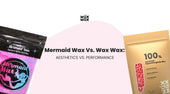
Mermaid Wax vs. Wax Wax: Aesthetics vs. Performance
TL;DR: The Quick Verdict Mermaid Wax is the aesthetic queen—beautiful, glittery, color-changing beads that are perfe...
-

Nova Wax vs. Wax Wax: Influencer Marketing vs. Clinical Evidence
TL;DR: The Quick Verdict Nova Wax built its empire on influencer partnerships and Instagram aesthetics—beautiful bra...
-

GiGi vs. Wax Wax: Why Your Skin Deserves Better Than Drugstore Wax
TL;DR: The Quick Verdict GiGi is the mass-market king—available in every drugstore and beauty aisle—making it the de...
-
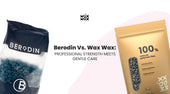
Berodin vs. Wax Wax: Professional Strength Meets Gentle Care
TL;DR: The Quick Verdict Berodin is a legendary professional brand known for its rigid polymer efficiency on coarse ...
-

Starpil vs. Wax Wax: Simplicity Over Complexity
TL;DR: The Quick Verdict Starpil is an industry giant with 50+ formulas, a massive education ecosystem, and a reputa...
-

The Professional's Guide to Leg & Arm Waxing: Techniques, Sectioning, Speed & Wax Selection
TL;DR / Executive Summary Full leg waxing and arm waxing are the highest-volume large-area services in most sal...
-

Hard Wax Cost & Profitability: The Complete Salon Analysis for 2026
TL;DR / Executive Summary Cost-per-service — not cost-per-pound — is the only metric that matters when evaluati...
-

Cirepil vs. Wax Wax: Which Hard Wax is Better for Sensitive Skin?
TL;DR: The Quick Verdict Cirepil is the traditional salon gold standard known for reliable grip on coarse hair and d...
-

Strategic Service Pricing: How to Price Your Waxing Menu for Profit
TL;DR: The Pricing Action Plan The Competitor Trap: Never base your prices solely on what the salon down the street ...
-
Pimples After Waxing: Acne vs. Histamine Reaction Guide
TL;DR: The Breakout Troubleshooting Guide Breakout Confusion: Not all bumps are acne. Distinguish between true acne ...
-

Mandatory SOPs for a Modern Waxing Salon: The Operational Checklist
TL;DR: The SOP Action Plan Consultation First: Standardize your client consultation to check for contraindications l...
-

DIY Brazilian Wax at Home: Your Expert Guide to the 4-Zone Method for Comfort
TL;DR: The DIY Brazilian Cheat Sheet The 4-Zone Method: Break the area into 4 sections (Pubis, Outer Sides, Labia, ...
-
Face Waxing Safety: The Retinol Ban List & Skin Lifting Prevention
TL;DR: The Facial Waxing Safety Checklist The Golden Rule: Never wax the face if the client has used Retinoids, Tre...
-

Hard Wax Consistency: The Temperature Guide for the Perfect Pull
TL;DR: The Consistency Cheat Sheet The "Thick Honey" Standard: The perfect hard wax consistency is like **thick hon...
-
Manzilian Wax: Pricing, Safety & Positioning Guide for Professionals
TL;DR: The Manzilian Profit Cheat Sheet High-Ticket Value: The Manzilian service commands a premium price due to...


